

What Is Orofacial Myofunctional Therapy and How Can It Help Children and Adults?
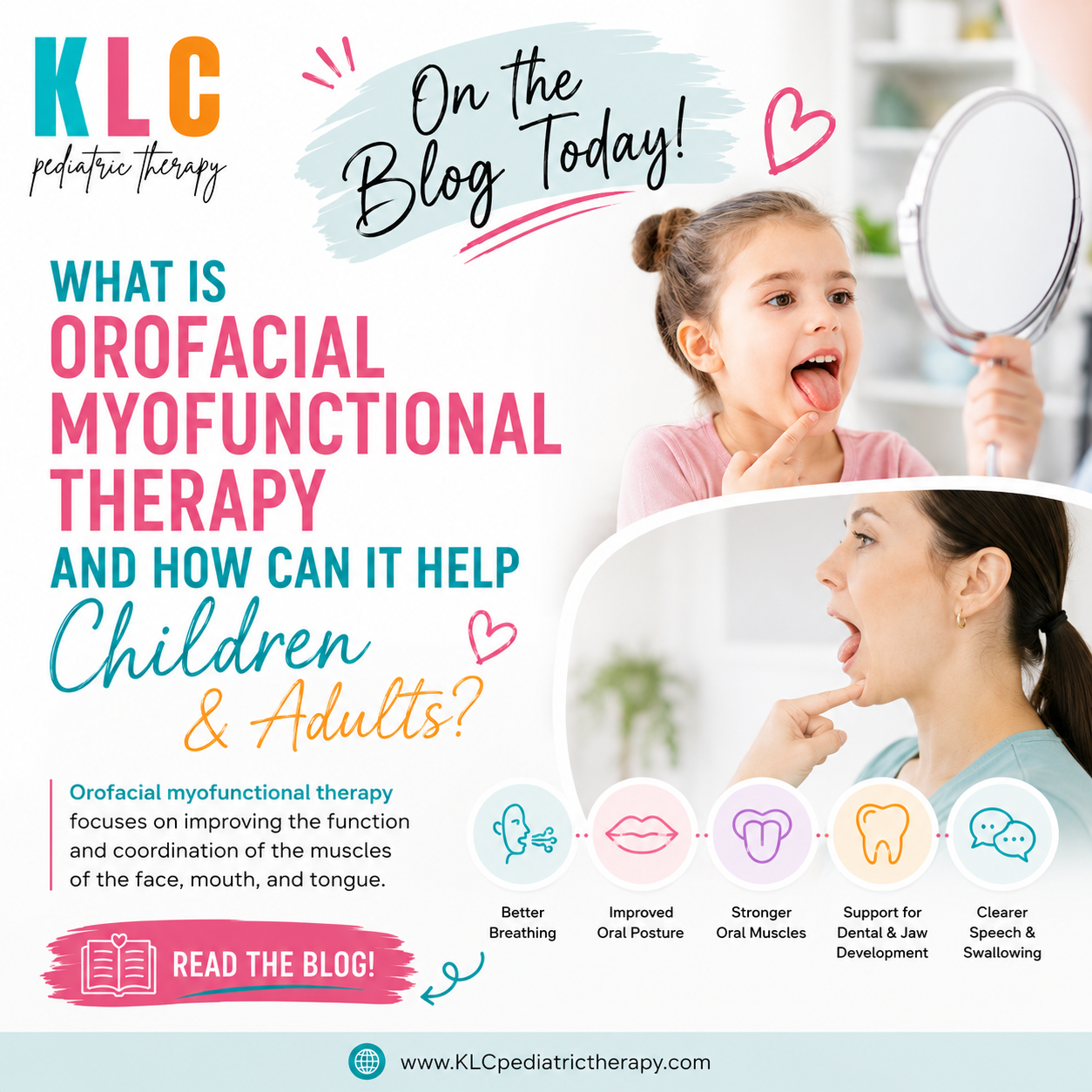
What Is Orofacial Myofunctional Therapy and How Can It Help Children and Adults?
Many parents are surprised to learn that simple everyday functions—like breathing, swallowing, chewing, and even resting your tongue—can have a significant impact on overall health and development.
When these patterns aren't functioning properly, they can contribute to a variety of concerns, including speech difficulties, orthodontic issues, sleep problems, mouth breathing, and even changes in facial growth over time.
That's where Orofacial Myofunctional Therapy (OMT) comes in.
This specialized therapy focuses on improving the strength, coordination, and function of the muscles of the face, mouth, tongue, and airway. By addressing underlying muscle patterns and habits, myofunctional therapy can help both children and adults breathe, sleep, eat, and function more effectively.
What Is Orofacial Myofunctional Therapy?
Orofacial Myofunctional Therapy is a treatment program that uses targeted exercises and techniques to improve how the muscles of the mouth and face work together.
The goals of therapy often include:
Establishing proper tongue posture
Promoting nasal breathing
Improving swallowing patterns
Strengthening oral and facial muscles
Supporting healthy jaw and facial development
Enhancing airway function
Rather than simply addressing symptoms, myofunctional therapy focuses on correcting the underlying muscle patterns that may be contributing to challenges with breathing, sleep, speech, or oral development.
Why Do Oral Muscle Patterns Matter?
The muscles of the mouth and face play a role in activities we perform every day, including:
Breathing
Swallowing
Speaking
Eating
Sleeping
When these muscles aren't functioning as they should, the effects can extend far beyond the mouth.
For example, a child who consistently breathes through their mouth instead of their nose may experience poor sleep quality, difficulty focusing, dental concerns, and altered facial growth patterns over time.
The earlier these patterns are identified, the easier they are often to address.
Signs Your Child May Benefit from Myofunctional Therapy
Many families come to us after noticing ongoing concerns that don't seem connected at first glance.
Some common signs include:
Mouth Breathing
Mouth breathing is one of the most common indicators of an orofacial myofunctional disorder.
You may notice:
Sleeping with the mouth open
Chronic dry mouth
Frequent snoring
Difficulty breathing through the nose
Daytime fatigue
Tongue Thrust
A tongue thrust occurs when the tongue pushes against or between the teeth during swallowing or speaking.
This pattern may contribute to:
Dental alignment concerns
Orthodontic relapse
Open bites
Speech difficulties
Speech Challenges
Improper tongue placement can affect how certain speech sounds are produced, sometimes making progress in speech therapy more difficult until the underlying oral muscle patterns are addressed.
Extended Thumb Sucking or Pacifier Use
Long-term oral habits can influence tongue posture, swallowing patterns, and facial development.
Sleep Concerns
Poor oral posture and airway function may contribute to:
Snoring
Restless sleep
Sleep-disordered breathing
Obstructive sleep apnea
Orthodontic Concerns
Many orthodontists recommend myofunctional therapy before, during, or after braces to improve treatment outcomes and reduce the risk of teeth shifting after treatment.
How Myofunctional Therapy Helps Children
Children often experience the greatest benefit from early intervention because their muscles, facial structures, and oral habits are still developing.
Therapy can help children:
Improve Tongue Posture
The tongue should naturally rest against the roof of the mouth. Proper tongue posture supports healthy jaw growth and facial development.
Learn Healthy Breathing Patterns
Nasal breathing promotes better oxygen intake, improved sleep quality, and healthier oral development.
Support Speech Development
When oral muscles function more efficiently, children may find it easier to produce speech sounds accurately and consistently.
Promote Healthy Growth
Correct oral posture and muscle function can positively influence dental alignment and facial development.
Improve Sleep Quality
Better airway function often contributes to improved sleep, attention, behavior, and daytime energy levels.
Myofunctional Therapy Isn't Just for Children
Although many people associate myofunctional therapy with children, adults can also benefit significantly from treatment.
Adults often seek therapy to address:
Chronic mouth breathing
Snoring
Sleep apnea support
Jaw tension
TMJ-related symptoms
Orthodontic stability
Tongue thrust patterns
Even habits that have existed for years can often be improved with consistent therapy and practice.
What Happens During Therapy?
The first step is a comprehensive evaluation.
During the evaluation, a myofunctional therapist assesses:
Tongue posture
Lip seal
Breathing patterns
Swallowing function
Oral habits
Facial muscle coordination
Based on the findings, an individualized treatment plan is created.
Therapy sessions typically include:
Oral motor exercises
Tongue posture training
Breathing exercises
Swallowing retraining
Home practice activities
Because therapy focuses on changing muscle habits, consistency and home practice play an important role in success.
A Team Approach to Better Outcomes
Myofunctional therapy is often most effective when it is part of a collaborative care team.
Depending on your child's needs, a myofunctional therapist may work alongside:
Speech-language pathologists
Orthodontists
Dentists
Pediatricians
ENT specialists
Sleep medicine providers
This team approach helps ensure that all contributing factors are addressed.
The Benefits of Orofacial Myofunctional Therapy
Families often report improvements in:
Nasal breathing
Sleep quality
Oral posture
Swallowing function
Speech production
Facial muscle coordination
Orthodontic outcomes
Overall oral health
Because oral function affects so many aspects of daily life, small changes can lead to meaningful improvements in overall health and well-being.
Is Myofunctional Therapy Right for Your Child?
If your child struggles with mouth breathing, tongue thrust, speech concerns, sleep difficulties, orthodontic issues, or persistent oral habits, a myofunctional evaluation may be beneficial.
Early intervention can help address these concerns before they become more significant and support healthy growth and development for years to come.
Orofacial Myofunctional Therapy at KLC Pediatric Therapy
At KLC Pediatric Therapy, we provide comprehensive Orofacial Myofunctional Therapy services for children and adults. Our team works closely with families and healthcare providers to create individualized treatment plans that support healthy breathing, oral function, speech development, sleep quality, and overall wellness.
If you're looking for Myofunctional Therapy in Dallas-Fort Worth or searching for a qualified myofunctional therapist near me, we're here to help.
Contact KLC Pediatric Therapy today to learn more about our evaluations and treatment services.