

7 Signs Your Child May Benefit from Reading Tutoring
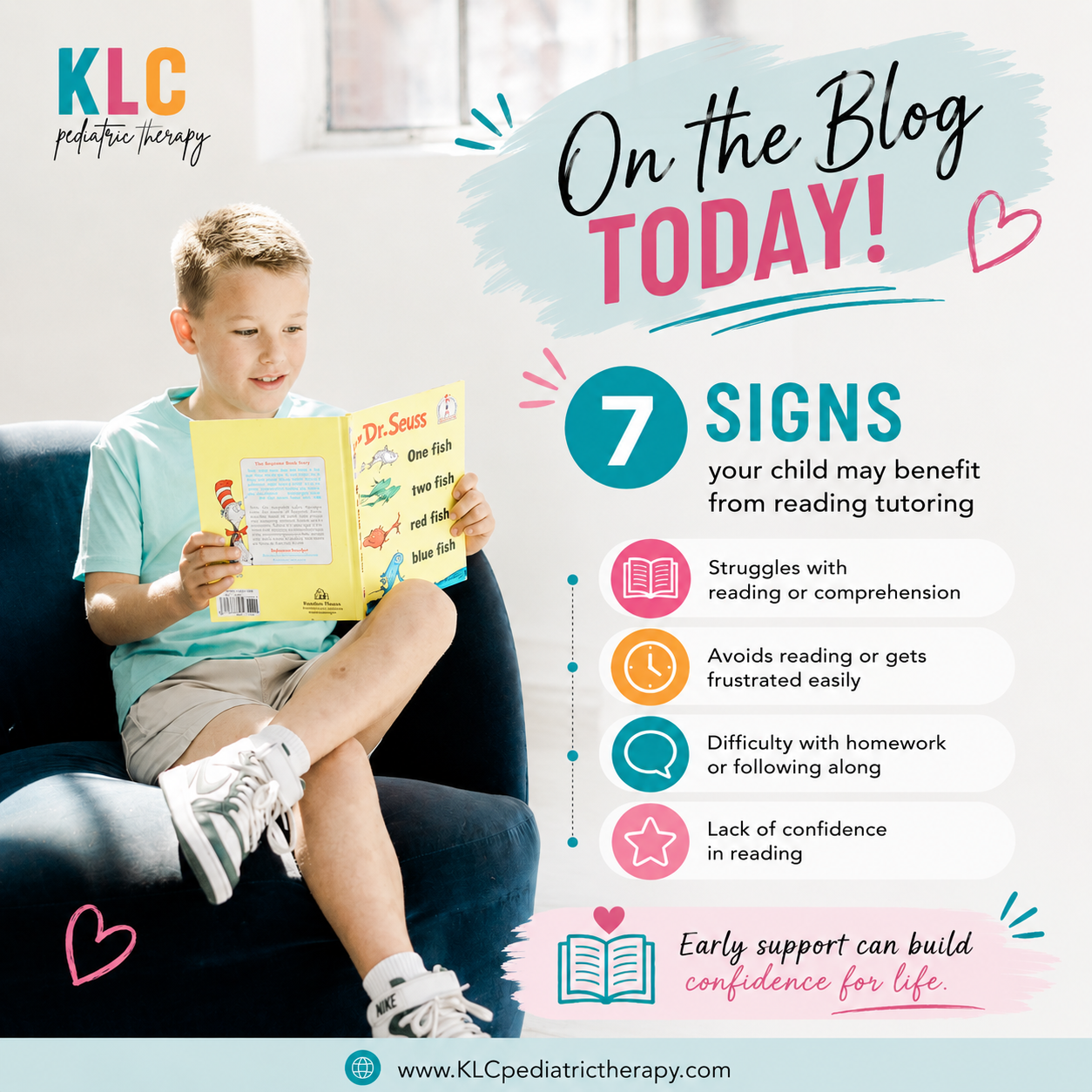
Learning to read is one of the most important milestones in a child's academic journey. Reading is the foundation for learning across all subjects, helping children build confidence, gain independence, and make sense of the world around them.
But for some children, learning to read doesn't come easily.
As parents, it can be difficult to know whether your child is simply developing at their own pace or if they may need additional support. While every child learns differently, there are some common signs that may indicate your child could benefit from reading tutoring.
1. Your Child Avoids Reading Whenever Possible
Does your child suddenly need a snack, a drink of water, or a bathroom break every time it's time to read?
Children who struggle with reading often begin to avoid it altogether. They may resist reading at home, become frustrated during homework, or show little interest in books.
This avoidance is often less about laziness and more about protecting themselves from something that feels difficult or discouraging. When reading becomes stressful, children naturally look for ways to avoid it.
2. Reading Is Slow and Frustrating
As children develop reading skills, recognizing words should gradually become more automatic.
If your child reads very slowly, frequently sounds out simple words, loses their place while reading, or struggles with common sight words, they may be working much harder than their peers just to get through a page.
When so much energy is spent decoding words, it becomes difficult to focus on understanding the story or information being read.
3. They Can Read the Words but Don't Understand the Story
Sometimes a child appears to be reading successfully but struggles to understand what they've read.
You may notice they have difficulty:
Answering questions about a story
Retelling events in order
Remembering important details
Understanding new vocabulary
Reading comprehension is the ultimate goal of reading, and difficulties in this area can affect learning across all academic subjects.
4. Their Teacher Has Expressed Concerns
Teachers are often the first to notice when a child is struggling with literacy skills.
If your child's teacher has mentioned concerns about reading fluency, phonics, comprehension, or grade-level expectations, it's worth exploring additional support.
Addressing reading difficulties early can prevent small learning gaps from becoming larger academic challenges later on.
5. Homework Has Become a Daily Battle
Reading struggles don't stay confined to reading assignments.
When reading is difficult, homework often takes longer, creates more frustration, and leads to increased stress for both children and parents.
You may notice tears, resistance, avoidance, or a lack of confidence when it's time to complete assignments. Often, these behaviors are symptoms of an underlying reading challenge rather than a lack of effort.
6. Your Child's Confidence Is Declining
One of the most heartbreaking effects of reading difficulties is the impact they can have on self-esteem.
Many struggling readers begin comparing themselves to classmates. They may avoid reading aloud, hesitate to participate in class, or start saying things like:
"I'm just not good at reading."
Over time, academic struggles can affect how children view themselves as learners.
A supportive reading tutor can help rebuild confidence by creating opportunities for success and helping children recognize their strengths.
7. They're Falling Behind in Other Subjects
Reading impacts far more than language arts.
As students progress through school, reading becomes essential for learning science, social studies, math word problems, and written assignments.
When reading skills lag behind, children often begin struggling in multiple subjects because accessing information becomes more difficult.
The earlier reading challenges are addressed, the easier it is to close gaps and support long-term academic success.
How Reading Tutoring Can Help
Every child learns differently, which is why individualized instruction can be so powerful.
Reading tutoring provides targeted support in areas such as:
Phonological awareness
Phonics and decoding
Sight word recognition
Reading fluency
Vocabulary development
Reading comprehension
Literacy confidence
Rather than using a one-size-fits-all approach, tutoring focuses on your child's specific strengths and areas of need.
Why Early Intervention Matters
Many parents hope their child will eventually "catch up" on their own. While some children do make progress naturally, persistent reading difficulties often benefit from targeted instruction.
The earlier support is provided, the more likely children are to experience:
Increased confidence
Improved academic performance
Better classroom participation
Stronger literacy skills
A greater enjoyment of reading
Most importantly, early intervention helps children develop the belief that they can be successful readers.
Reading Support at KLC Pediatric Therapy
At KLC Pediatric Therapy, we understand that every child learns differently. Our reading specialists provide individualized reading tutoring designed to strengthen foundational literacy skills while building confidence and a love for learning.
Whether your child is struggling with phonics, fluency, comprehension, or overall reading confidence, we're here to help.
If you've noticed any of these signs, don't wait to seek support. Early intervention can make a tremendous difference in your child's academic success and self-confidence.
Contact KLC Pediatric Therapy today to learn more about our reading tutoring services and how we can support your child's literacy journey.